
China has implemented extensive sanctions targeting America’s defense industrial base after President Trump authorized an unprecedented $10 billion weapons sale to Taiwan. The measures affect 20 US companies and 10 individuals, with Boeing’s military production operations in St Louis, Missouri, among the most significant casualties of Beijing’s retaliation.
These sanctions will freeze any holdings the designated entities maintain in China and absolutely prohibit business interactions between them and Chinese parties. Boeing’s St Louis facility, a critical manufacturing site for fighter aircraft that recently weathered strikes by over 3,000 unionized employees, faces complete exclusion from Chinese commercial opportunities. The punitive measures represent China’s strongest response yet to American military support for the island that Beijing claims as its sovereign territory.
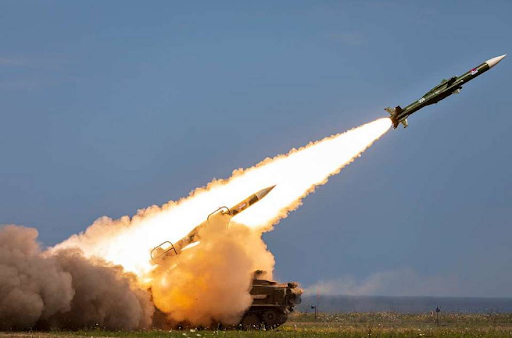
The arms package sparking this escalation consists of eight separate sale agreements totaling more than $10 billion, shattering previous records for US-Taiwan military transactions. Among the systems are 420 Army Tactical Missile Systems, advanced weaponry analogous to those America supplied Ukraine for countering Russian aggression. The deal also incorporates sophisticated unmanned aerial platforms and various medium-range offensive and defensive missile technologies, substantially upgrading Taiwan’s military capabilities.
Northrop Grumman Systems Corporation and L3Harris Maritime Services appear alongside Boeing on the sanctions list, while penalties extend to key personnel within the defense sector. Ten individuals, including the founding figure of Anduril Industries and senior executives from the affected corporations, now face lifetime prohibitions from entering China. Chinese officials declared Taiwan the paramount concern in bilateral relations, threatening “strong responses” to any provocations and condemning what they characterized as America’s “dangerous” efforts to militarize the democratic island.
American officials countered that the arms sales fulfill statutory obligations to ensure Taiwan possesses adequate self-defense means. The State Department argued the transfers serve broader US strategic interests while bolstering regional security frameworks and economic stability. The fundamental disagreement over Taiwan’s political future—Beijing’s insistence on reunification versus Taipei’s commitment to democratic independence—remains an intractable source of US-China conflict, intensified by concurrent disputes over trade tariffs and economic policies.