
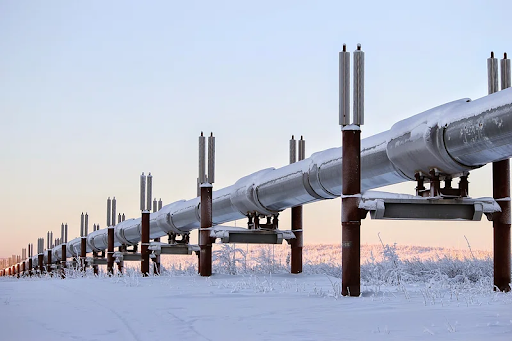
The global oil industry has recorded its steepest yearly price drop since the coronavirus pandemic disrupted markets in 2020, with values falling approximately 20% during 2025. This decline represents a historic milestone as the first occurrence of three consecutive annual losses in modern energy market history, creating significant financial strain across the producing sector.
Despite substantial military tensions in key oil-producing regions worldwide, prices have continued declining due to fundamental oversupply. Producers are extracting crude at rates far exceeding global economic requirements, creating what observers characterize as extreme market saturation. This glut has overwhelmed typical supply-demand dynamics that normally balance pricing.
Diplomatic progress in resolving the Russia-Ukraine war pushed prices below $60 per barrel last month for the first time in nearly five years. This development raised market fears that lifting western sanctions on Russian energy could flood the already oversaturated global market with additional supplies, potentially accelerating the downward price trajectory.
Brent crude ended 2025 at $60.85 per barrel, down considerably from approximately $74 at the previous year’s close. American oil benchmarks experienced parallel declines of 20%, finishing at $57.42. The OPEC cartel normally manages member production to maintain prices in a range that ensures healthy revenues without becoming so high that consumers switch to alternatives like electric vehicles and heat pumps, but this strategy has proven ineffective against current conditions.
Weak economic performance in major markets combined with trade conflict impacts have significantly reduced demand from China, the world’s primary energy consumer. International energy officials estimate supplies will exceed demand by roughly 3.8 million barrels daily this year, even after OPEC postponed production increases. Leading financial institutions anticipate further weakness ahead, projecting prices could fall to $55 per barrel by spring or decline into the $50s throughout 2026. While falling prices may benefit consumers through lower fuel costs and moderated inflation, concerns remain about retailers passing savings along, and households face slightly higher energy bills despite the crude price crash.