
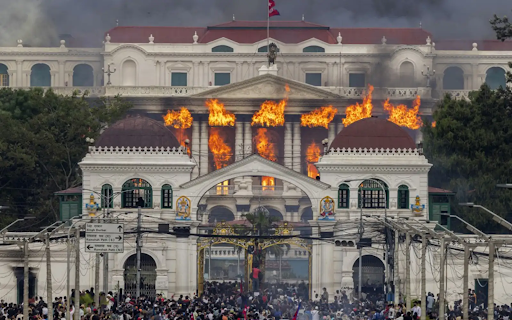
A social media ban was merely the final spark that ignited a powder keg of public anger in Nepal. The resulting protests, which have claimed 19 lives and toppled a prime minister, have revealed the profound and long-simmering discontent that pervades the Himalayan nation over issues of corruption, inequality, and failed governance.
For years, Nepalis have watched as politicians and their families seemingly enriched themselves while the country stagnated. Youth unemployment remains stubbornly high at 20%, and major corruption cases have gone unpunished, fostering a deep sense of injustice. This frustration found a voice online, where viral campaigns on TikTok exposed the lavish lives of the elite, making the government’s subsequent attempt to ban these platforms seem like a self-serving move to hide its own failings.
The protests, led by a generation that feels it has no future under the current system, quickly escalated. When security forces responded with lethal force, it confirmed the protesters’ belief that the government was not listening and was willing to kill its own citizens to maintain power. This act of violence unified the opposition and broadened its goals from reversing a policy to dismantling the entire political structure.
As Prateek Pradhan, a local news editor, explained, “Frustrations over how the country is being run have long been simmering under the surface.” The resignation of the prime minister has done little to cool the situation. The people are demanding more than a symbolic change; they are calling for a fundamental shift in how Nepal is governed, creating a precarious and unpredictable political landscape.