
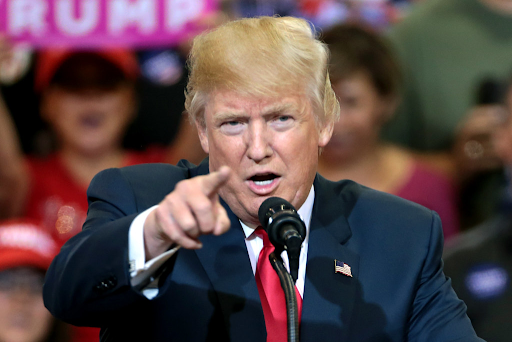
A major diplomatic confrontation emerged Friday when President Trump announced South Africa would be excluded from the 2026 G20 Summit in Miami. The decision came with allegations regarding the South African government’s handling of issues affecting white farming communities.
In his social media statement, Trump described what he views as systematic persecution of Afrikaners and other descendants of European settlers in South Africa. The President used strong language to characterize the situation, claiming violence against white individuals and arbitrary seizure of agricultural properties. These allegations served as the primary justification for America’s boycott of the recent Johannesburg summit and the exclusion decision.
Last weekend’s G20 gathering in South Africa attracted significant international participation, with world leaders including India’s Prime Minister Narendra Modi attending the high-profile event. The United States, however, maintained a deliberate absence, sending no official representation to the proceedings. This boycott represented a stark departure from typical American engagement with multilateral forums.
The diplomatic situation deteriorated further over questions about the proper transfer of G20 leadership responsibilities. Trump alleged that South African authorities deliberately mishandled the handover ceremony, despite the presence of a US Embassy official at the closing event. South African officials explained that they followed appropriate protocol by completing the transfer at their international relations department, given that no official American delegation attended the summit itself.
President Ramaphosa responded to the exclusion by expressing regret while maintaining his government’s commitment to diplomatic relations with the United States. The specific allegations about white farmer persecution and genocide that Trump cited have been consistently rejected by the South African government, white community leaders, and independent fact-checkers. Despite widespread debunking, these claims continue to circulate in political discussions and influence international relations.